If you spend time on Snapchat, TikTok, or Instagram, you’ve probably seen someone post “PU” and wondered what it actually means. The confusion is understandable because slang changes fast, and the same abbreviation can carry different meanings depending on the platform, tone, and relationship between users.
Most people search “what does pu mean snapchat” because they see it in stories, streak posts, or casual chats and don’t want to misunderstand the message. Sometimes it looks friendly, while other times it feels demanding or even confusing.
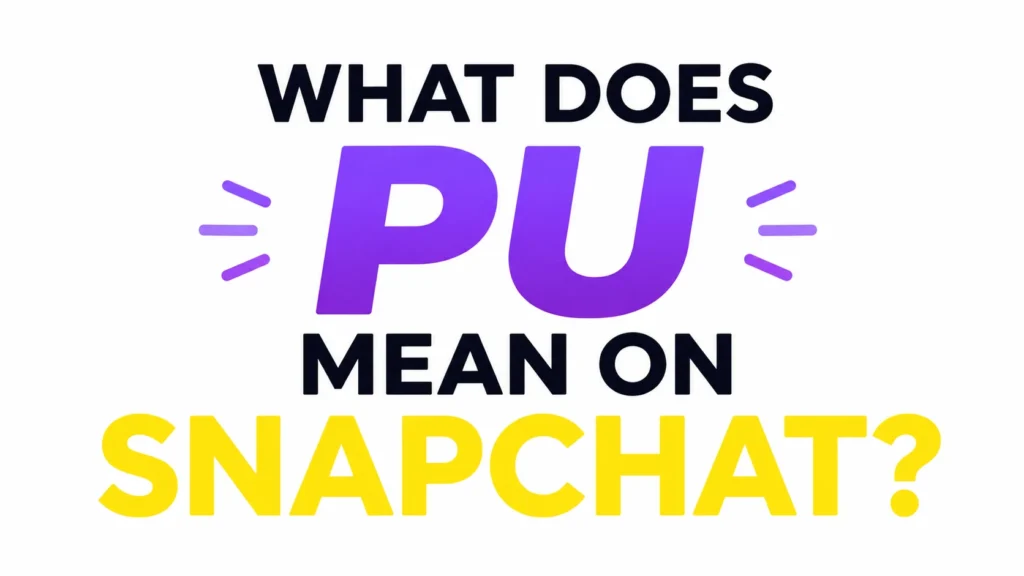
On Snapchat specifically, “PU” usually means “Pop Up.” It’s a quick way of asking someone to message, reply, or start a conversation. However, context matters. In certain situations, it can also carry emotional undertones like loneliness, boredom, attention-seeking, or reconnecting with friends.
Understanding how people actually use the term makes social conversations feel less awkward and more natural.
What Does PU Mean Snapchat?
Quick Definition
On Snapchat, “PU” most commonly stands for:
- Pop Up
- A request for someone to send a message
- An invitation to start chatting
- A casual way to reconnect online
People usually post it on Snapchat Stories when they want friends or followers to message them.
Simple Examples
“Bored rn… PU.”
“Everyone asleep? PU if you’re awake.”
“Need advice, PU.”
In each example, the person is asking others to message them privately.
Why People Use It
The phrase became popular because it is:
- Short
- Fast to type
- Informal
- Easy to understand among younger users
Snapchat culture values quick communication, so abbreviations like PU naturally became common.
Origin & Background
Where PU Came From
“PU” started gaining popularity during the rise of Snapchat streak culture and casual mobile texting. Instead of typing “message me” or “text me,” users shortened everything to save time.
As Snapchat became more visual and story-focused, people began posting quick attention-grabbing phrases. “PU” fit perfectly because it was short and encouraged direct interaction.
Social Media Influence
The term spread quickly through:
- Snapchat Stories
- Instagram Notes
- TikTok captions
- Group chats
- Gaming communities
Teenagers and Gen Z users especially helped normalize it in everyday digital communication.
How the Meaning Evolved
Originally, “Pop Up” simply meant “send me a message.” Over time, though, the phrase started carrying emotional context.
For example:
- Someone posting “PU” late at night may feel lonely
- A person saying “PU I’m bored” may want attention
- Friends using “PU” casually may simply want conversation
That emotional flexibility is part of why the slang survived.
Read More: What Does FSS Mean in Text? Examples & Social Media Context
Real-Life Conversations
WhatsApp Conversation
Person A:
“Why are you ignoring everyone today?”
and,
Person B:
“Not ignoring lol, just tired.”
moreover,
Person A:
“Alright, PU later when you feel better.”
Instagram DM Example
Person A:
“Your story looked sad.”
and,
Person B:
“Yeah rough day honestly.”
moreover,
Person A:
“PU if you wanna talk.”
TikTok Comment Section
Person A:
“This song hits differently at 2am.”
and,
Person B:
“Fr.”
moreover,
Person A:
“PU sometime, you seem cool.”
Text Message Example
Person A:
“Everyone cancelled plans.”
and,
Person B:
“That sucks.”
moreover,
Person A:
“Yeah… PU if you’re free tonight.”
These conversations show how naturally the slang blends into emotional and casual communication.
Emotional & Psychological Meaning
What Emotion Does PU Express?
Although “PU” looks simple, it often communicates hidden emotions.
Depending on the situation, it can express:
- Loneliness
- Curiosity
- Boredom
- Interest
- Emotional openness
- Desire for connection
Many people use it because directly asking for attention can feel vulnerable. Saying “PU” softens the request.
Why Modern Users Prefer It
Digital communication rewards speed and emotional safety. Short slang lets people express feelings without sounding too serious.
Instead of saying:
“I feel alone and want someone to talk to.”
People simply write:
“PU.”
That tiny phrase feels lighter emotionally.
A Realistic Scenario
Imagine someone scrolling Snapchat late at night after a stressful day. They post:
“Can’t sleep. PU.”
They may not openly admit they feel anxious or emotionally drained, but they still want human connection. That’s why slang like PU resonates so strongly online.
Usage in Different Contexts
Social Media Usage
On Snapchat and Instagram, PU is commonly used in:
- Stories
- Notes
- Group chats
- Captions
- Close friends lists
Examples include:
- “PU I’m bored”
- “PU for streaks”
- “PU if you miss me”
Friends & Relationships
Among friends, it usually feels casual and friendly.
In relationships, though, the tone can become emotional or flirtatious.
For example:
“Why haven’t you PU lately?”
This can imply emotional distance.
Work or Professional Settings
PU is generally inappropriate in professional communication.
Using slang like this in:
- Emails
- Workplace chats
- Client conversations
can appear immature or unclear.
Casual vs Serious Tone
The tone changes based on wording.
Casual:
“PU later.”
More emotional:
“Please PU, I need someone to talk to.”
Context always shapes interpretation.
When NOT to Use It
Professional Environments
Avoid using PU in:
- Business emails
- Job interviews
- Academic communication
- Formal presentations
Not everyone understands internet slang.
Sensitive Conversations
Sometimes “PU” can feel emotionally vague during serious discussions.
For example, if someone is upset, a simple “PU” might seem emotionally distant instead of supportive.
Cultural Misunderstandings
Older generations or less internet-active users may misunderstand the abbreviation entirely.
Some may even think it means something negative or rude.
Situations That Need Clarity
If communication matters deeply, clear language is better.
Instead of:
“PU.”
You could say:
“Message me when you’re free.”
Common Misunderstandings
Thinking PU Has Only One Meaning
Although Snapchat users usually mean “Pop Up,” the abbreviation can occasionally mean different things in other online spaces.
That’s why context matters.
Confusing It With “Phew”
Some people mistake “PU” as an expression of disgust or reaction because “pee-yew” sounds like something unpleasant.
However, Snapchat slang rarely uses it that way.
Tone Misinterpretation
A short message can sound cold without emotional cues.
For example:
“PU.”
may sound demanding unless paired with emojis or context.
Literal vs Figurative Meaning
Nobody is literally asking someone to physically “pop up.” It simply means:
- Text me
- Message me
- Reach out
- Start a conversation
Comparison Table
| Expression | Meaning | Tone | Common Platform |
| PU | Pop up/message me | Casual | Snapchat |
| HMU | Hit me up | Friendly | Instagram/Text |
| DM Me | Send direct message | Neutral | Instagram/X |
| Text Me | Contact me directly | Straightforward | General texting |
| WYA | Where are you at? | Casual/social | Snapchat |
| BRB | Be right back | Informal | Gaming/Chat |
| Ghosting | Ignoring messages | Negative | Dating apps |
| Leave Me Alone | Don’t contact me | Opposite tone | Any platform |
Key Insight
PU feels softer and more socially relaxed than directly asking someone to text. That subtle emotional tone is why it remains popular among younger users.
Variations / Types
PU Later
Means message me later when you’re free.
PU ASAP
An urgent request for someone to contact quickly.
PU Bored
Shows someone wants conversation because they feel bored.
PU For Streaks
Used on Snapchat to maintain streak activity.
PU If Awake
Late-night invitation to chat.
PU Please
A more emotional or serious version.
PU Tonight
Specifically asking for nighttime conversation.
PU When Free
Polite and less demanding.
PU Need Advice
Shows emotional openness and trust.
PU Miss You
Often used in friendships or romantic situations.
How to Respond When Someone Uses It
Casual Replies
- “What’s up?”
- “Heyyy”
- “I’m here”
- “You okay?”
Funny Replies
- “You summoned me?”
- “Breaking news: I popped up.”
- “Emergency chat activated.”
Mature Replies
- “I saw your story. Want to talk?”
- “Hope everything’s alright.”
- “I’m free if you need anything.”
Respectful Replies
- “Hey, just checking in.”
- “Feel free to vent.”
- “I’m listening.”
Good responses match the emotional tone behind the message.
Regional & Cultural Usage
Western Culture
In the US, UK, and Canada, PU is widely recognized among younger social media users.
It’s strongly connected to Snapchat culture.
Asian Culture
In many Asian countries, English slang spreads quickly through TikTok and gaming communities. However, some users may understand the term without actively using it themselves.
Middle Eastern Culture
Usage exists mainly among English-speaking youth and international online communities.
The abbreviation is less common in formal local communication.
Global Internet Usage
PU became part of internet shorthand because social media encourages fast emotional interaction.
Even users who are not native English speakers often recognize it through online exposure.
Gen Z vs Millennials
Gen Z tends to use PU naturally in daily communication.
Millennials may understand it but often prefer clearer phrases like:
- “Text me”
- “Message me”
- “Call me”
Is It Safe for Kids?
Understanding the Context
By itself, PU is generally harmless. Most kids and teenagers use it casually to ask friends to message them.
However, parents should still understand the social context behind slang.
Sometimes repeated “PU” posts can reflect:
- Social pressure
- Loneliness
- Emotional dependence on online validation
Healthy communication and digital awareness matter more than the slang itself.
FAQs
What does PU mean on Snapchat stories?
It usually means “Pop Up,” which is a request for followers or friends to message the person privately.
Is PU flirting?
Sometimes. The meaning depends on tone and relationship context. Friends use it casually, but it can also feel flirtatious.
Does PU only exist on Snapchat?
No. People also use it on Instagram, TikTok, WhatsApp, and text messages.
What should I reply to PU?
You can simply respond with:
- “Hey”
- “What’s up?”
- “You okay?”
The best reply depends on the situation.
Is PU rude?
Not usually. However, sending only “PU” without context can occasionally sound abrupt.
Why do people post PU when bored?
It’s an easy way to invite conversation and social interaction without directly asking for attention.
Can adults use PU too?
Yes, although the slang is most common among teenagers and Gen Z users.
Conclusion
Understanding what does pu mean snapchat becomes much easier once you see how people actually use it in real conversations. In most cases, it simply means “Pop Up” — a casual invitation to message, connect, or start talking.
Yet behind those two small letters, there’s often more emotion than people realize. Sometimes it signals boredom. Other times it reflects loneliness, curiosity, friendship, or even quiet vulnerability.
Modern communication keeps getting shorter, but the emotions behind it remain deeply human. Knowing how slang works helps you navigate online conversations with more confidence and less confusion.
The next time you see “PU” on Snapchat, you’ll understand not just the meaning, but also the social tone behind it.